Ecological Route of Milagres: the 9 beaches of Alagoas, one by one
About 20 km of coast, nine beaches and a rhythm of their own for each.
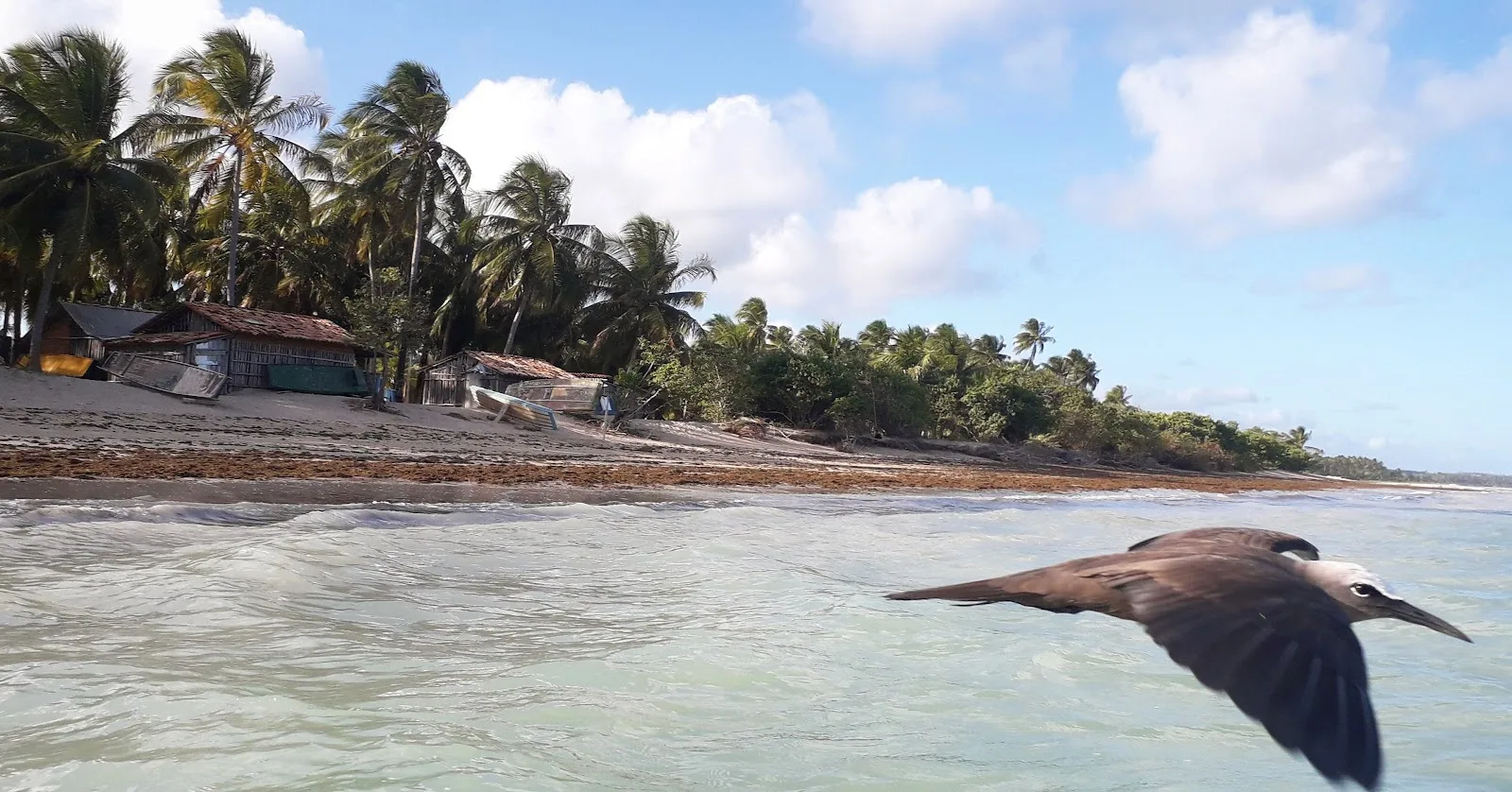
The Ecological Route of Milagres gathers, along some 20 km of coast, beaches with coconut palms, reefs and natural pools. It runs through the municipalities of Passo de Camaragibe, São Miguel dos Milagres and Porto de Pedras, inside the Costa dos Corais environmental protection area, in northern Alagoas.
Not every beach has the same rhythm: some are villages with restaurants, others are strips of sand with almost no buildings. Here is a guide to the nine main ones, from south to north, and what each offers.
The nine beaches, one by one
It is often one of the first beaches for those arriving from Maceió. It has pale sand, coconut palms and a sea sheltered by reefs. Villinha Marceneiro brings together restaurants, ice-cream shops, stores and crafts, and there are trips along the Camaragibe river and by bicycle.
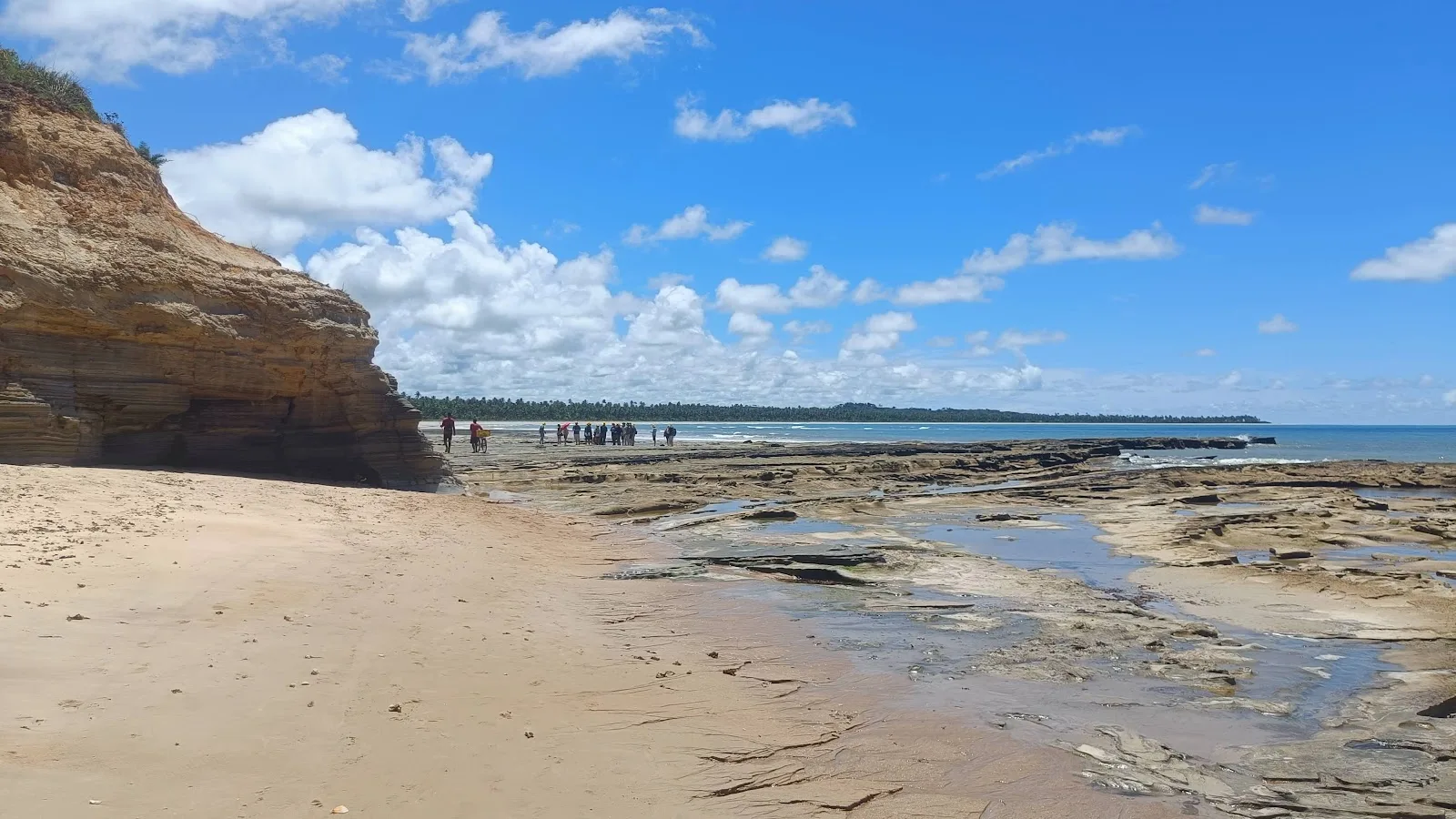
Access is less conventional: you usually arrive by jangada or boat steered by local residents, crossing the Camaragibe river. The journey is part of the visit, with river, vegetation, wide sand, open sea and the cliffs the beach is known for.
It is close to the central area of São Miguel dos Milagres but keeps a more open scale, with a good strip of sand and support spots such as restaurants and beach services, among them Mi Casa. It is also near the Igrejinha de Milagres, popular for photos and short walks along the sand.
This is the symbolic centre of the route and gave its name to the whole region. There is more traffic and more services: departures for natural pools, jangadas, bars, restaurants, local shops, the Mirante do Cruzeiro and the churches. It is a good beach for first-time visitors.
The reef-sheltered sea forms natural pools at low tide, reached by local jangadas. The beach is defined by its scale: charming pousadas, nearby restaurants, sandy paths and coconut palms. There is the Milagres do Toque Beach Club and, for a local dining experience, No Quintal.
It shows a less polished side of the route: beach, boats, fishermen, restaurants, shops and pousadas, with local life all year round. Seafront restaurants include Restaurante do Enildo, Milagres do Porto and Praiô, and the village's small shops are worth a look.
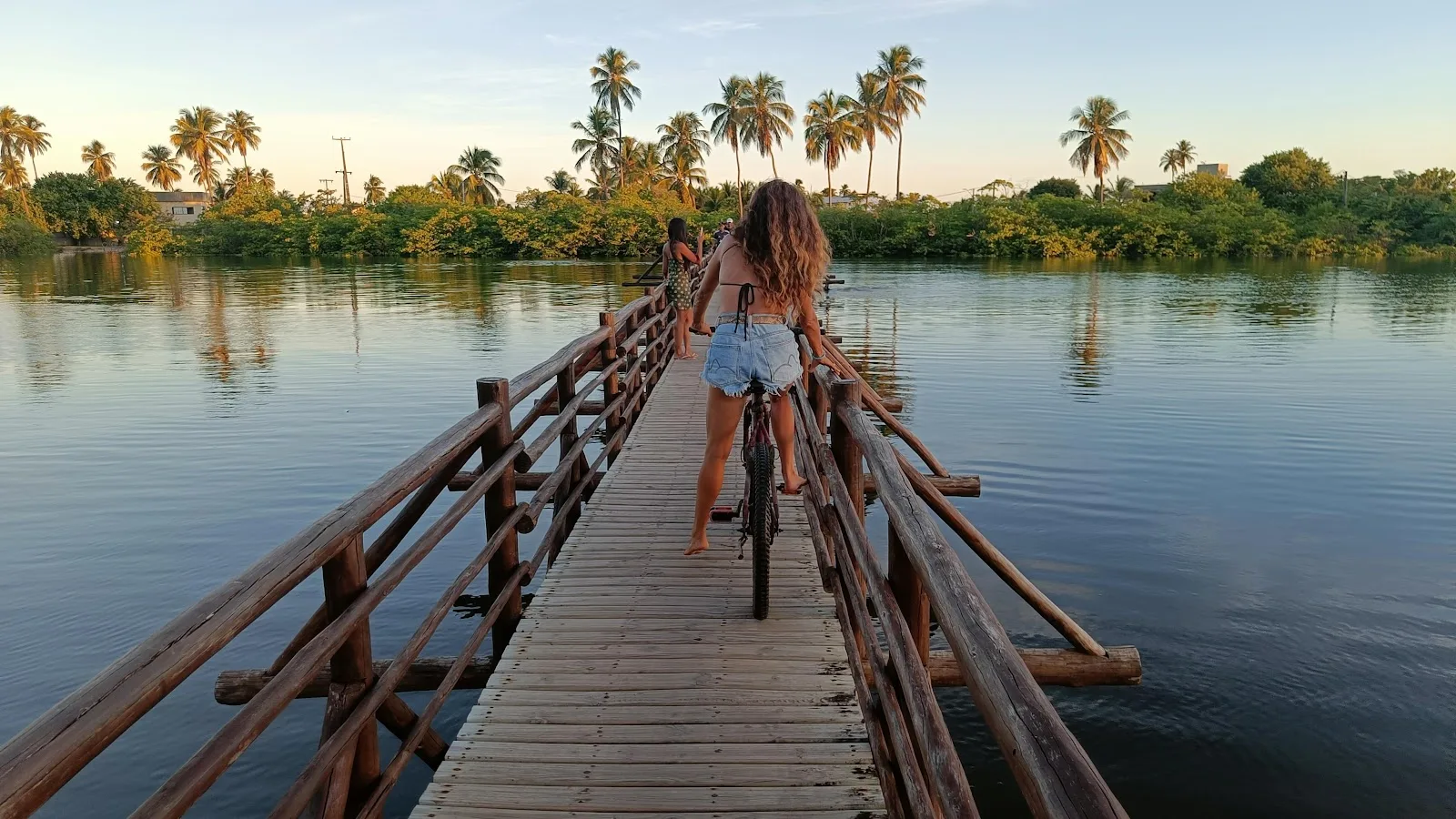
River, mangrove, sea and village meet here, and you can still sense a fishing village, with boats, simple streets, crafts and residents. It is the territory of the Tatuamunha river and of the trip to the Santuário do Peixe-Boi (manatee sanctuary), in rowed jangadas, with environmental guidance and observation rules. It is also where Pontal da Enseada is.
It neighbours Patacho and is close to Tatuamunha. It has a wide strip of sand, a good stretch for walking and a sea of a particular colour, a denser blue. At low tide the reefs reveal natural pools and small sandbanks; at high tide the beach narrows in places.
One of the most photographed beaches in Porto de Pedras, with clear water, coconut palms, jangadas, sandbanks, natural pools and a run of pousadas, houses and restaurants. It renewed its international Blue Flag status for 2025/2026, tied to criteria of environmental quality, safety and services.
How to choose your route
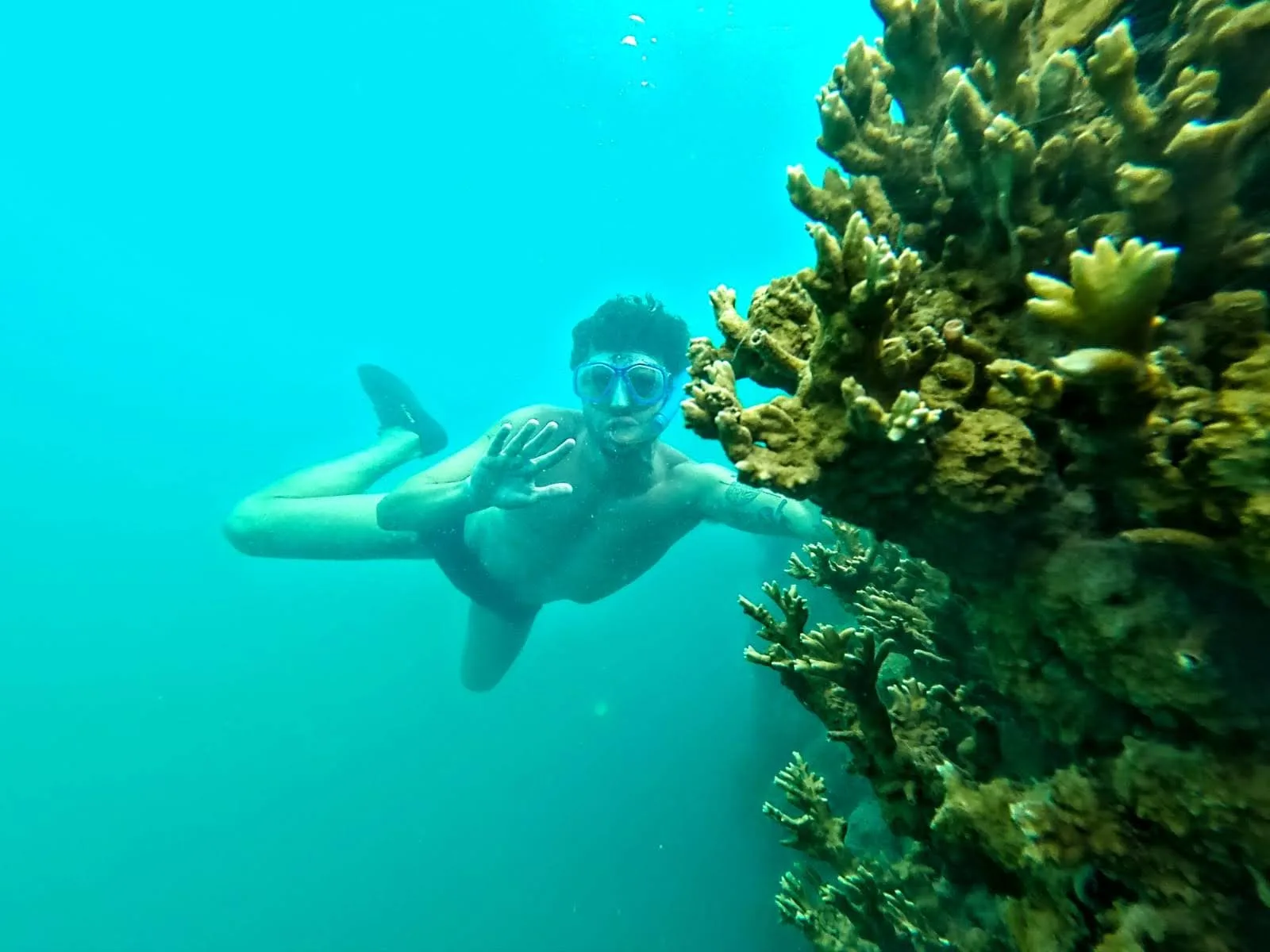
The tide shapes much of the day on the route. At low tide the natural pools appear, ideal for snorkelling; at high tide the sea is more open for swimming. It's worth checking the tide table before planning outings.
Staying in Tatuamunha puts the middle of the route within reach: from there, Lages, Patacho and Porto da Rua are close, and São Miguel dos Milagres and Morros make a day trip.
Where to stay
Pontal da Enseada is on Tatuamunha beach and has two independent houses with a kitchen, terrace, garden and pool, plus a local team who know the tides and the outings.
Getting here and how long to stay
The airports most used are Maceió (about 2 hours by car) and Recife (about 3 hours). See the details in how to get here.
To see the beaches without rushing, five to seven nights is ideal.
Responsible tourism in the protected area
The route lies within an environmental protection area. A few habits help preserve it: don't step on the reefs, don't touch fish or turtles, take your rubbish with you, use sunscreen suited to marine environments and respect the local communities.
If you'd like to plan your trip, meet the houses and talk directly with Marta.
Check the dates available for the Brazilian summer and talk directly with Marta.
Check availability See the houses